Best Flooring for Entryways
Posted by Ben Garelick (@BlueShirtBenny) on 26th May 2026
Key Takeaways
- Porcelain and ceramic tile are excellent entryway choices because they resist scratches, dents, and moisture while offering a wide range of colors, patterns, and textures.
- Luxury vinyl provides waterproof durability, easy maintenance, comfort underfoot, and realistic wood or stone designs, while laminate offers strong scratch resistance at a budget-friendly price.
- When comparing entryway flooring, consider durability ratings, waterproofing, slip resistance, maintenance, and how the material will transition into the rest of your home. A textured finish or area rug can add extra traction and protection.
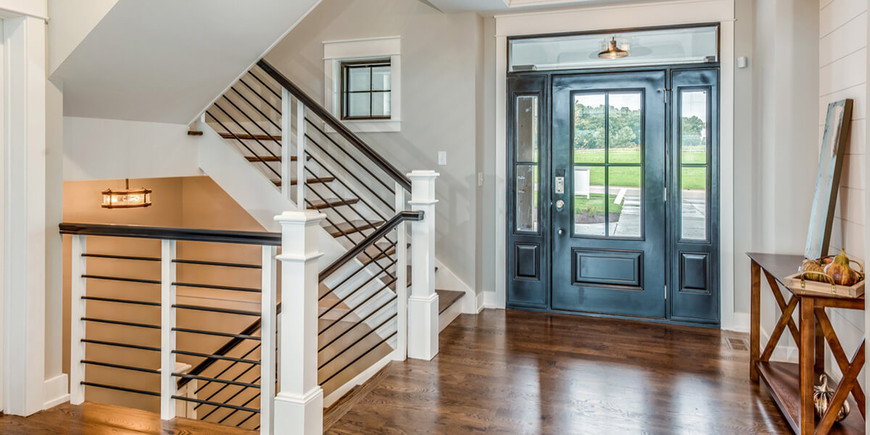
Your entryway works harder than any other room in your home. It's the first thing guests notice when they walk through your door and the last defense against rain, snow, mud and whatever else gets tracked in from outside. The floor in this area must handle heavy foot traffic, moisture and daily wear while still looking sophisticated enough to make an excellent first impression.
Choosing the best flooring for a high-traffic entryway means finding a durable surface that complements your home's style, combining beauty with serious performance. Choosing wisely protects your home from moisture damage and costly repairs while maintaining its value and curb appeal.
Why Your Entryway Floor Is the Hardest-Working Surface in Your Home
Your entryway flooring must withstand the daily effects of dirt, salt, water damage and constant foot traffic — and still look pulled-together years down the line. Material choice matters more there than almost anywhere else. That's why a floor that performs beautifully in your kitchen may fall short in the entryway.
Look for flooring that strikes a balance between durability and style to set the desired tone for the rest of your home.
Ranking the Best Flooring for a Foyer
If you're exploring the best entryway flooring ideas, it helps to understand which materials can handle this challenge. Here are the top-performing options that deliver.
1. Porcelain and Ceramic Tile
Porcelain and ceramic tile are the top choices for entryways. These materials offer exceptional hardness, making them nearly impossible to scratch or dent. Porcelain, specifically, has a water absorption rate of 0.5%, so it's virtually impervious to moisture.
Porcelain and ceramic come in an incredible range of colors, patterns and textures, from sleek modern looks to realistic wood and stone finishes that merge aesthetic appeal and strength. However, tile requires specific installation criteria, including a rigid, stable subfloor to prevent cracking.
Tile installers must prepare the subfloor using specific mortars and grouts that bond the tile securely and create a long-lasting surface. Maintenance is straightforward — regular sweeping and mopping keep tile looking new, though grout lines may need periodic sealing to prevent staining. As you choose the best tile for an entryway, look for options rated for high-traffic areas and consider a textured finish for added slip resistance.
2. Luxury Vinyl Flooring
Mimicking the look of hardwood or stone but outperforming those materials in underfoot comfort, luxury vinyl flooring is the modern, do-it-all solution. Luxury vinyl tile resembles stone or ceramic, while luxury vinyl planks replicate wood. The difference between LVT and LVP is primarily aesthetic — both materials offer the same waterproof performance and durability.
Convenience ranks high among luxury vinyl's advantages. Many modern LVP products, like COREtec luxury vinyl floors, are waterproof and offer glueless installation with attached underlayment already built in. Brands like Mohawk and COREtec often include an attached cork underlayment that provides cushioning, sound-dampening and stability, eliminating the need for a separate underlayment. That makes installation faster and more straightforward while still delivering a comfortable, quiet floor.
Luxury vinyl also wins on maintenance — simple sweeping and damp mopping are all you need to keep it looking fresh, with no special cleaners or treatments required.
3. Laminate Flooring
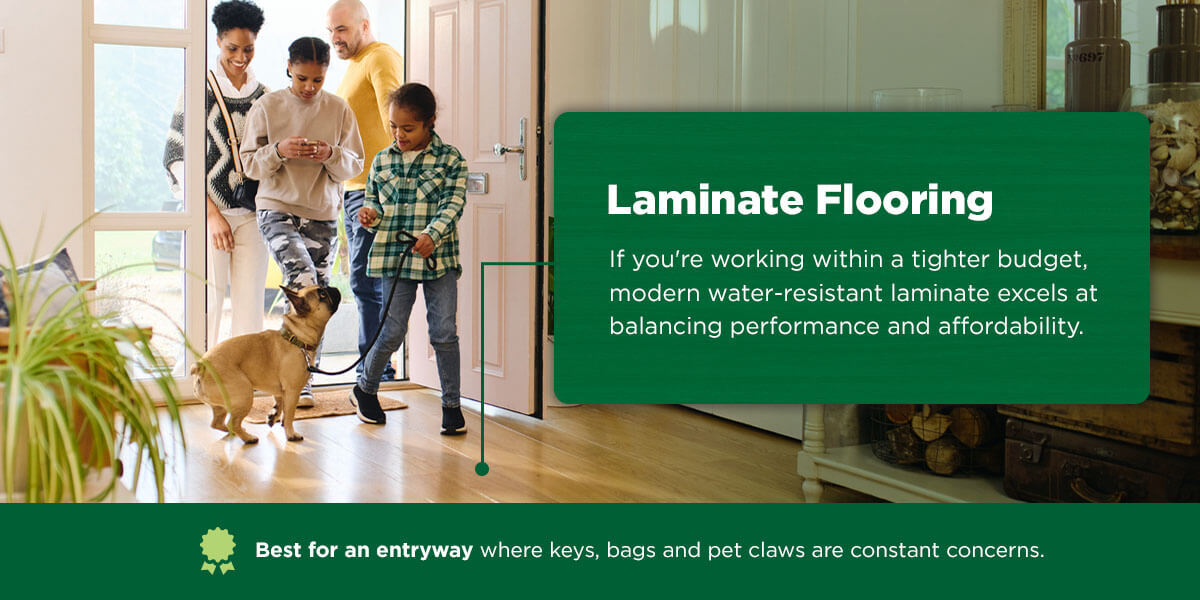
The standout feature of laminate is its tough, factory-baked finish that provides excellent scratch and dent resistance — best for an entryway where keys, bags and pet claws are constant concerns. If you're working within a tighter budget, modern water-resistant laminate excels at balancing performance and affordability. Maintenance requires only routine vacuuming or sweeping, with occasional damp mopping. Promptly wipe up spills to prevent seepage at the seams.
Considerations to Compare When Choosing Your Floor
To narrow down the best floor to put in an entryway, use this buyer's checklist to evaluate your options based on the technical features that matter most.
-
Durability and scratch resistance: For tile, look for a PEI rating of Class 4 or higher, which indicates it can withstand heavy residential traffic. With vinyl, check wear layer thickness — 20 mil or more is ideal for entryways that see heavy use. These ratings tell you whether a floor can handle daily wear without showing scratches or surface damage.
-
Waterproofing: Waterproof materials repel water, making them the best choice if you get a lot of wet weather. Water-resistant options like modern laminate handle occasional moisture effectively but require quick cleanup of standing water.
-
Slip resistance and safety: The Tile Council of North America demands product slip resistance classifications. Look for flooring with a dynamic coefficient of friction rating that meets safety standards. According to ANSI standard A326.3, a DCOF rating of 0.42 or greater is the accepted minimum for level interior floors that may get wet.
-
Upkeep requirements vary by material: Tile and luxury vinyl are the easiest to maintain with simple sweeping and mopping, though tile grout may need occasional sealing. Laminate requires similar care but demands quicker cleanup of spills to protect seams. If low-maintenance flooring is a priority, waterproof luxury vinyl offers the most forgiving option for busy households.
-
Style and design options: Sophisticated modern flooring provides the best of both worlds. Today's tile, vinyl and laminate come in an incredible variety of looks — realistic wood grain, natural stone, bold patterns, classic neutrals — so you can find something that matches your home's aesthetic while still delivering the durability your entryway demands.
Remember to consider the transition from your foyer to the rest of the house. Consider the color, tone and adjacent flooring material when selecting a material that sets these areas apart without creating a visual disturbance. Entryway rugs and runners can add warmth and protect hard surfaces in high-traffic zones.
Start Your Project with Carpet & Tile Mart
Now that you know which flooring materials can handle the demands of a busy entryway, it's time to see them in person.
At Carpet & Tile Mart, you can touch, feel and walk on the floors you're considering — because experiencing durability firsthand makes all the difference in your decision. Our experts are ready to answer your questions, help you explore your options and guide you toward the perfect match for your home and budget.
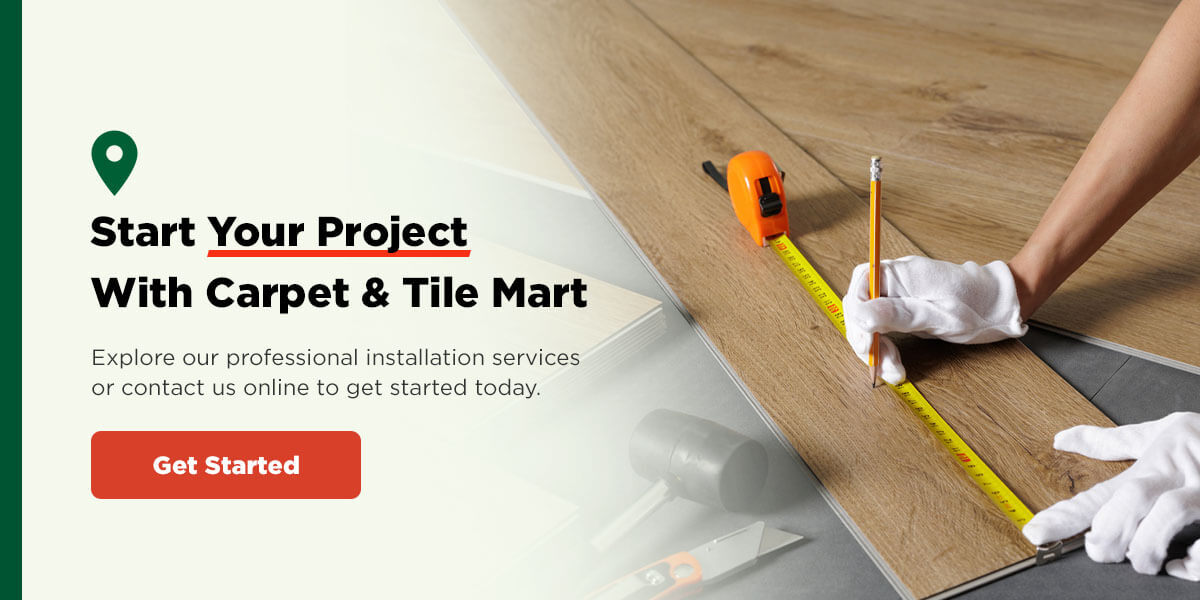
Ready to start your project? Find a showroom near you to get the floor you love and take it home the very same day. Alternatively, explore our professional installation services or contact us online to get started today.