Can an Area Rug Help Reduce Noise in a Room?
Posted by Ben Garelick (@BlueShirtBenny) on 10th Jul 2026
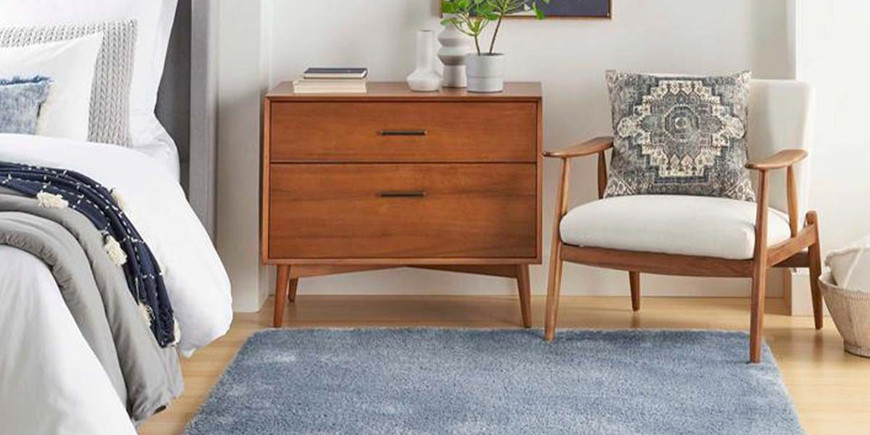
Tired of echoing footsteps, muffled conversations bouncing off walls or noise carrying between floors? The soft, sound-absorbing fibers of a well-chosen area rug can help reduce noise in any room, turning it into a peaceful retreat. When you pair that with a quality pad, you'll notice the difference immediately. Let's explore how to choose a rug that silences your steps without sacrificing style.
Do Area Rugs Reduce Noise?
Yes, and the difference can be dramatic, especially in open-plan homes or rooms with high ceilings where sound tends to travel. Quality rugs effectively dampen two main types of sound problems:
- Impact noise, which includes foot traffic, dropped objects or furniture movement.
- Airborne noise, such as conversations, television audio and outdoor sounds.
The secret to quieter rooms lies in understanding how sound behaves on different surfaces. Hard flooring like tile, hardwood and laminate reflects sound waves back into the room, amplifying noise levels. Soft surfaces like area rugs reduce noise by absorbing those waves before they reach the floor.
Key Features for Maximum Noise Reduction
Not all rugs deliver the same acoustic benefits. Focus on these three features to get the best noise-dampening results.
1. Start With a Thick, Dense Material
Material matters when you're shopping for sound control. Thick, high-pile options like shag and wool rugs excel at trapping noise between their dense fibers. The more material there is to absorb sound, the quieter your room becomes. Wool has excellent acoustic properties thanks to its crimped fiber structure, while deep shag pile creates effective audio-muffling layers.
2. Add a Quality Rug Pad for the Best Results
Your rug needs a secret weapon to perform its best — a dense rug pad. It adds crucial mass between your rug and the floor, creating an extra barrier that helps to absorb footsteps and other impact noise. This pairing is especially effective for reducing floor-to-floor noise in apartments and multistory homes.
3. Choose the Right Size to Cover the Space
Bigger is better when it comes to sound control. The more floor area your rug covers, the less hard surface remains to reflect sound and create echo. Choose a rug large enough to fit under your main furniture grouping in living rooms and bedrooms. Dining rooms need a rug that extends beyond the table and chairs so they rest on the soft surface even when pulled out.
Frequently Asked Questions
Here are answers to common questions.
Which Type of Rug Reduces Noise the Best?
A thick, high-pile wool or shag rug paired with a dense pad delivers the best noise reduction. This duo creates maximum sound-dampening power.
How Do I Affordably Soundproof a Room?
Adding an area rug is one of the most cost-effective first steps for reducing noise in any room. You'll notice an immediate improvement without the expense of acoustic panels or major renovations.
Do Rugs Help with Floor-To-Floor Noise?
Yes, area rugs are highly effective at reducing impact noise, such as footsteps between floors.
Find Quality Sound-Dampening Rugs From Carpet & Tile Mart
Choosing the right rug for noise reduction can feel overwhelming. That's where Carpet & Tile Mart comes in. Our in-store flooring experts will match you with the perfect rug and pad combination for your space.
Ready to reclaim your peace and quiet? Visit one of our showrooms or browse our collections of beautiful area rugs and high-quality rug pads online. We offer free shipping on all rugs!