How to Choose Replacement Flooring After Flooding or Water Damage
Posted by Ben Garelick (@BlueShirtBenny) on 12th Oct 2026
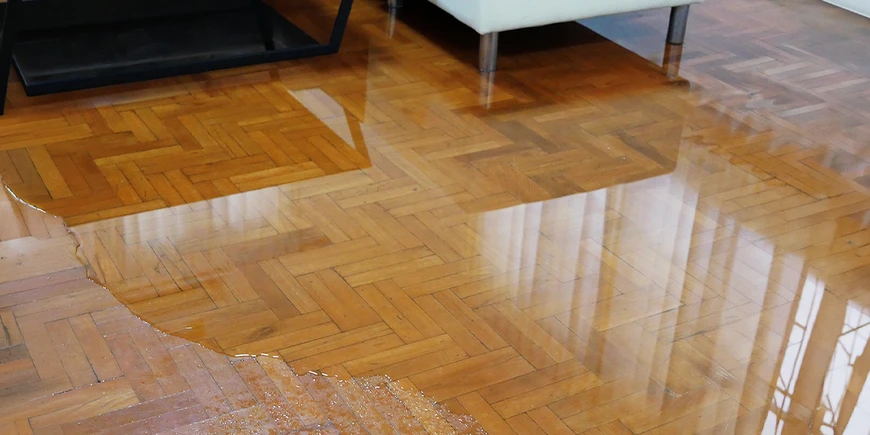
If you're staring at water-damaged floors right now, you're probably thinking about whether any of this can actually be fixed, and what happens next. That uncertainty is normal after a flood or major leak, but the path forward is clearer than it probably feels in the moment.
Before You Choose New Flooring
Before comparing flooring materials, ensure your subfloor is sufficiently dry and structurally sound first. Skipping this step is one of the most common, costly mistakes homeowners make when replacing a water-damaged floor. New flooring installed over a wet or compromised subfloor can warp or buckle, even when the surface looks fine. In water-damaged areas, mold can grow within 24-48 hours, which is also why remediation comes before replacement shopping.
A professional restoration company or experienced flooring team should confirm moisture levels before installation begins. Once the subfloor is cleared and confirmed to be dry, the real decision-making begins.
The Best Replacement Flooring Options After Water Damage
Several water-resistant flooring options consistently hold up well in moisture-prone spaces. Here are some smart long-term choices after a water event.
Luxury Vinyl Tile
For most homeowners replacing water-damaged floors, luxury vinyl tile (LVT) is the top all-around pick. This flooring option has a waterproof core that won't swell or warp, plus dimensional stability that can withstand humidity swings. It also delivers convincing wood and stone appearances at a price point that tends to beat hardwood or natural tile. LVT is comfortable underfoot, too, and comes in a variety of styles.
However, while LVT is waterproof at the surface, water can still seep through seams and damage the subfloor beneath. That's why professional installation and a dry subfloor are vital — they make LVT a long-term choice rather than a quick fix.
Porcelain or Ceramic Tile
Porcelain and ceramic tile are hard to beat for flood resistance, especially in rooms likely to see moisture again, like basements, bathrooms, kitchens and entryways. Neither material absorbs water at the surface, which is partly why they're categorized as flood-resistant building materials by the Federal Emergency Management Agency (FEMA).
With a water-damaged tile floor, the tile itself usually survives without much trouble. What matters more is what's underneath, as the grout may need to be cleaned or resealed, and a compromised subfloor beneath the tile can be a hidden danger if left unaddressed. Tile tends to cost more up front than LVT or carpet, but pays off in long-term durability and peace of mind.
Carpet
Carpet isn't off the table after a flood, but it needs the right room. It's a fine choice for bedrooms, upper floors and areas with no realistic flood risk going forward. Water-damaged carpet and its padding, however, almost always need full replacement, since the padding acts like a sponge and can harbor mold and bacteria long after the surface feels dry.
Once the old, water-damaged material is gone, new carpet options can bring a comfortable, affordable feel back to a room that needs it. Just avoid carpet in flood-prone basements or any space with ongoing moisture risk.
Flooring Worth Reconsidering After a Flood
Not every material is the right fit for a post-flood rebuild, and it's worth knowing which ones tend to struggle.
Laminate
Water-damaged laminate flooring usually fails at the core. Laminate has a high-density fiberboard (HDF) core that absorbs water quickly and swells when wet. Once laminate flooring has been thoroughly soaked, it typically can't be restored to a flat state. Swollen edges, bubbling and warped seams are irreversible, too.
Laminate is a high-risk choice in a room that was flooded unless it's a genuinely moisture-protected upper floor with no future flood exposure. For the wood-look aesthetic laminate offers, LVT achieves the same style with built-in waterproof protection.
Solid Hardwood
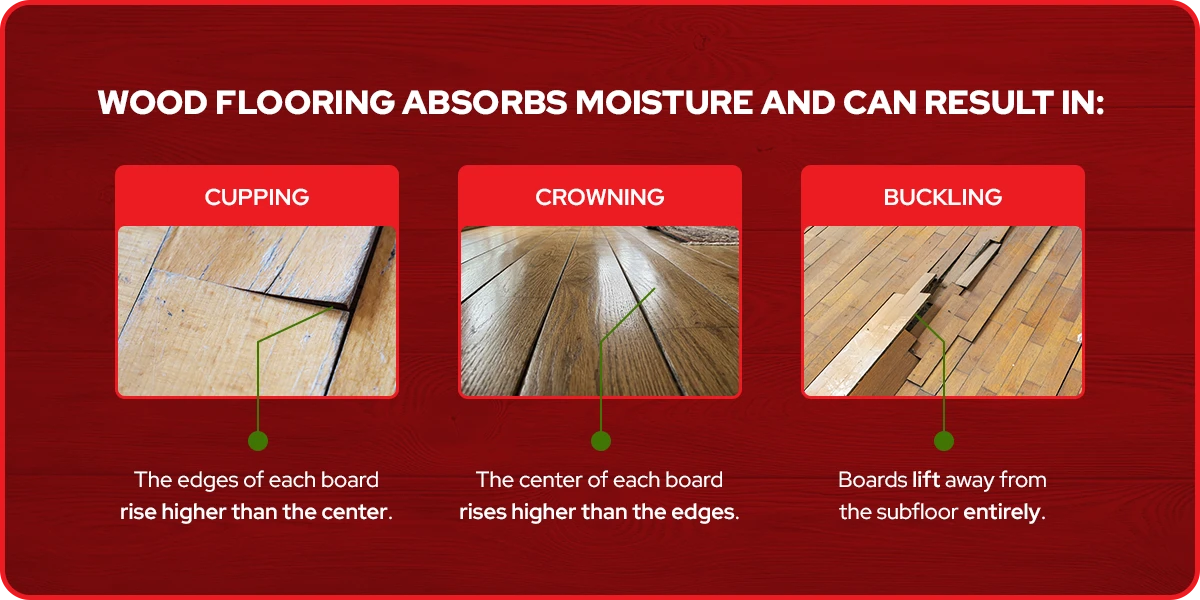
Solid hardwood is beautiful, but it's also one of the most vulnerable flooring types in a water event. Wood flooring absorbs moisture and can result in:
- Cupping: The edges of each board rise higher than the center.
- Crowning: The center of each board rises higher than the edges.
- Buckling: Boards lift away from the subfloor entirely.
Salt or contaminant exposure from floodwater makes saving water-damaged hardwood floors even less likely. For homeowners who want that look back, engineered hardwood is a better moisture-tolerant alternative, using a thinner wood veneer over a plywood core for more dimensional stability. While not completely flood-proof, LVT remains the better option for waterproof protection.
How to Budget and Plan Your Flooring Replacement
Once you know which material you want, a little planning goes a long way toward a successful rebuild:
- Budget: LVT and carpet sit at the lower end of the cost range, while porcelain and ceramic tile sit higher, so weigh each option against your insurance payout or budget.
- Timing: The subfloor has to fully dry before installation starts, but once it's cleared, installation can move quickly.
- Provider: A local, experienced flooring team can help navigate material selection and get the job done fast.
For flood damage in a basement, look for flood-resistant flooring options built for spaces likely to see moisture again.
Frequently Asked Questions
Homeowners often have questions when planning a flooring replacement after water damage.
Does homeowner's insurance cover water-damaged flooring?
Standard homeowner's insurance typically covers sudden, accidental damage, like a burst pipe or leaking appliance, and that usually includes flooring. Natural flooding is different. Water from an overflowing river, storm surge or coastal flooding generally isn't covered by a standard policy. That requires a separate National Flood Insurance Program (NFIP) policy, covering up to $250,000 in flood damage, including installed flooring.
Insurance often covers the damage, but not the source, so a policy might pay to replace the floors but not fix the pipe that caused it. Contact your insurance provider promptly and document everything before demolition begins.
How long does it take to replace flooring after water damage?
Drying the subfloor is usually the longest part of the process, taking anywhere from a couple of days to weeks, depending on severity, materials and whether professional drying equipment is used. New flooring should never go down until the subfloor is dry and moisture levels are confirmed.
Once the subfloor is ready, installation can move quickly, especially with a flooring supplier who already has your material in stock.
Can I install new flooring over a water-damaged subfloor?
You shouldn't install new flooring over a water-damaged subfloor, as it can trap moisture underneath, accelerate mold growth and cause the new floor to fail prematurely. This is a common and costly mistake that homeowners make in post-flood rebuilds.
The subfloor needs to be fully dried, inspected and repaired, or replaced if structurally unsound, before any new flooring goes down. A professional evaluation is worth it, since moisture can hide in subfloor layers well after the surface looks dry.
Start Fresh with Carpet & Tile Mart
You don't have to figure out the right replacement flooring on your own. With 14 convenient locations across Delaware, Pennsylvania and South Jersey, Carpet & Tile Mart is backed by the largest in-stock selection on the East Coast, so a flood-damaged room doesn't have to sit empty while you wait on a special order.
Long-tenured flooring experts can walk you through all your options, helping you match a material to your budget or insurance payout. We'll then professionally install it, often within a week, and provide a two-year installation warranty.
To get started with your flooring replacement, visit your nearest Carpet & Tile Mart location or contact us today.